Looking an expert team?  +91-74286 23211
+91-74286 23211  sales@semreseller.com
  Mon-Fri 9:30 - 6:30
+91-74286 23211 sales@semreseller.com Mon-Fri 9:30 - 6:30
Mon-Fri 9:30 - 6:30
+91-74286 23211 sales@semreseller.com Mon-Fri 9:30 - 6:30 Stay ahead in 2025 with the latest online marketing trends. Discover insights on AI, automation, and digital strategies that will redefine how businesses grow online.
Current market changes in digital marketing continue to revolutionize business-consumer practices through emerging technological developments and new market trends. Online marketing will experience rapid evolution through the coming years of 2025, enabling brands to construct different communication channels to attract and convert customers. Digital marketing depends on artificial intelligence, automation, and data-driven approaches to function as its basic framework.
At the same time, personalization features voice search capabilities, and metaverse technology drives new engagement methods. Marketers must anticipate upcoming trends since today's market developments determine their business success. Customers nowadays seek transparent and genuine communication alongside convenient services. Organizations adopting these developing trends will create sustainable business operations in the digital-first society.
The digital marketing environment continues to transform at an unprecedented speed because we are approaching 2025. Companies that adopt new trends will succeed in the market instead of those that stick to traditional methods. Brands must implement revolutionary methods to fight off other businesses since technology moves rapidly and consumer buying patterns transform.
Businesses need innovation to maintain their leadership position because consumers now want effortless digital experiences that feel real. Marketing will succeed in the future through rapid adjustment ability combined with advanced technology tools that establish engaging connections with target audiences.
New technologies derived from AI and automated tools continue to transform business interactions with their customer base. By applying machine learning technology, brands generate high-grade personalized marketing strategies that employ AI-powered chatbots for immediate human-quality customer assistance and AI-created content as an automated production tool. The analysis of real-time data by advanced AI algorithms gives businesses an exact method to forecast consumer behavior patterns in addition to market trend prediction.
The function of predictive analytics in marketing will become essential for audience segmentation because it helps create personalized strategy approaches per customer preference. Combining AI voice assistants with automated ad targeting technology enhances customer engagement, thus lowering company expenses and improving sales metrics. Workflows experience performance improvements because of automation; hence, businesses dedicate their time toward strategic advancement instead of handling manual work.
Voice-activated devices controlled by Amazon Alexa, Google Assistant, and Apple Siri contribute to modifying SEO approaches through a requirement for natural language processing in digital content. The industry project search queries will shift towards voice-operated dialogues, so business organizations must enhance question-oriented queries and conversational query optimization by 2025. The search engine rankings of voice queries will give strong importance to structured data, together with long-tail keywords.
Through AI-powered chatbots and virtual assistants, people can experience personalized services while these interactive systems handle immediate requests and enhance user-based engagement. V-commerce's increasing popularity of v-commerce demands that brands embed seller-friendly voice commerce features because this streamlines online shopping by adding voice activation capacities. Organizations that adopt conversational AI technology will achieve continuous accessibility, which will transform their customer service into an automatic, immediate response system.
Short-form video content makes your brand store the best viewership speed on TikTok combined with Instagram Reels and YouTube Shorts, thus transforming digital audiences into fast viewers. Brands will feed immense funds into short and attention-grabbing video content during 2025 to reach consumers in an increasingly competitive marketplace.
The use of AI in video editing and automated content recommendations produces scalable, dynamic business content that can be achieved more efficiently. The authentication of brands and trust will depend on the collaboration with users who create content and influencers. Vertical storytelling methods and interactive video polls help maintain audience focus, thus increasing the rate of conversions. Including AR filters with 360-degree experiences in video content will enhance consumer engagement because it creates opportunities for higher participation in brand storytelling.
Through the metaverse, consumers will experience interconnected digital and physical shopping interfaces, creating vivid interactive brand interactions. Online stores combined with AI assistants will let shoppers access individualized shopping through virtual visions that create physical store-like environments. NFT-based loyalty programs through brands will grant their most active customers exclusive digital items and unique virtual engagement possibilities.
The mainstreaming of eCommerce toward an experiential retail approach will occur through digital product launches and social buying activities happening directly in virtual environments. Businesses that deploy VR-powered customer support systems trained by AI alongside personalized services will transform their engagement with customers to produce better relationships and rates of conversion.
The standard for hyper-personalization will take effect in 2025 when AI systems optimize every stream of customer interaction across the board. Through real-time data processing, brands can generate targeted content that is modified according to user actions, producing highly relevant ads, emails, and product recommendations. Personalized video messages combined with AI-curated shopping experiences and interactive content will develop deeper consumer engagement, emphasizing how well brands understand their customers.
Combining customer data with machine learning lets brands predict their customers' future needs ahead of any customer declarations. Web content personalization, AI-powered chatbots, and smart recommendation systems will generate completely personalized interactions for users. Through voice search personalization and adaptive email marketing, customers will achieve higher engagement rates because they will get content in the proper timing and format. Data privacy issues will compel businesses to establish ethical data management practices while building trust with their customers through transparent data practices.
Influencer marketing will surpass basic sponsorship methods to become more complex. In 2025, brands will start working with micro and nano-influencers who maintain dedicated and highly active small follower bases. The customer preference for influencers whose lifestyle mirrors their values will become paramount so that authenticity will stand as the main marketing focus. Through AI branding solutions, influencers and brands will easily find ideal partnering opportunities for content creation.
AI analytics systems will seek influencers based on their maximum engagement levels to provide brands with the most impactful content creators within their market. Brands will develop enduring partnership contracts instead of brief sponsorships to construct strong relationships with influencer audiences. The importance of live-stream shopping, interactive Q&A sessions, and behind-the-scenes content will make influencer marketing deliver an enhanced depth of experience. Virtual influencers backed by AI technology will develop into a new promotional tool for brands, enabling them to advertise products with sustained management of their initiatives at scale.
Rising data privacy fears will demand an absolute commitment to disclose information and request explicit user agreement from brands. GDPR and CCPA, together with other strict rules, now force businesses to implement privacy-first marketing approaches. The shift will expand toward first-party data acquisition, zero-party data retention, and cookieless promotional methods to achieve security compliance and customer confidence levels.
Customer demands for visible data practices will drive companies to adopt marketing approaches that require consumer consent. Data security through encryption and anonymous tracking, as well as blockchain-based security solutions, will become mandatory for protecting consumer information. Enterprises leveraging ethical data management find better market positions through sustained trust relationships, leading to sustained customer engagement and superior brand popularity.
The joining of eCommerce retailers with social media platforms will experience rapid expansion during the next few years. The practice of social commerce, which enables users to shop through social media apps, will dominate by 2025. Social media networks, including Instagram and Facebook, TikTok and Pinterest, will improve their shopping capabilities to let users transact from within the platform environment.
Social commerce growth will be supported by AI-recommended products, integrated checkout operations, and direct shopping events that improve user satisfaction. The digitally enhanced shopping experience will become more exciting through AR try-ons and interactive demos that use influencer shopping streams to ensure personalised service.
Simplified checkout provided by digital wallets alongside instant one-click purchasing options will eliminate more barriers for customers to buy. Brands succeeding in optimising their platform presence will experience increased conversion rates because real-time and impulsive buying interactions boost current sales performance, unlike previous market trends.
Through blockchain technology and NFTs, brands can access fresh ways to reach customers. A new future of customer relationships emerges through combining digital ownership with tokenised loyalty programs and decentralised marketing campaigns. The usage of NFTs will support delivering speciality events combined with prize collections and limited-edition items to boost brand loyalty and consumer engagement. Blockchain technology's security features will reshape trust-based digital marketing practices while reducing fraudulent deals to eliminate misconduct.
Through smart contracts, marketers will achieve automated loyalty rewards, exclusive memberships, and personalised offers, creating simple customer interactions. NFTs will establish digital collectables and VIP passes alongside proof-of-authenticity capabilities to enhance consumers' relationships with brands. The integration of blockchain strategies by more companies will advance decentralised advertising networks and branded token systems to become critical retention and discrimination elements for marketing in 2025.
Digital advertisements powered by AI will remain the top placement strategy in the digital advertising market through 2025. Advanced automation systems in ad buying will enhance operations and enable brands to achieve profitable, real-time, targeted ad campaigns. Programmatic advertising will surpass digital boundaries in 2025 because it will work with connected TV platforms, digital billboards, and in-app advertisement networks. These are the most advanced programs to be used in the future.
The diminishing effect of static content emerges because consumers seek interactive content more than ever. Effective content marketing practice will heavily depend on implementing quizzes, polls, gamified content, and augmented reality (AR) filter mechanics. Such content formats actively interact with users through their platforms to increase their stay time and improve customer experiences.
The advent of new digital channels has failed to diminish the standing of email marketing within the modern marketing strategy. Relevancy in email marketing will be achieved by 2025 because artificial intelligence will improve the personalised delivery of automated targeted content segments. Businesses should leverage automated personalised sequences of emails to increase customer interactions and revenue and identify email as a fundamental business tool.
People today show greater awareness about sustainable business actions and ethical business activities. Brands that establish marketing activities centred on environmental and social responsibility will win the trust of customers while building loyal relationships with them. Suppliers must demonstrate full transparency, while companies need to reduce their carbon emissions and practice ethical sourcing methods, as these elements will constitute major components in marketing strategies.
Implementing 5G technology will transform digital marketing because it will improve network connections, data transfer speeds, and user interaction quality. The rapid growth of internet connectivity will allow for flawless video streaming, immediate communication, and premium-quality virtual connections. The improved delivery of dynamic marketing content will become possible because marketers will face no performance bottlenecks.
Search engine optimisation methods will adapt to the modifications search engines apply to their algorithms. By 2025, planet-wide AI SEO technology systems will optimise business content for present-day consumer trends and search intentions 2025. Engaging content with high quality and interactivity replaces old keyword-stuffing strategies since search engines place such content at the top of their rankings. Search engines will prefer brands that provide beneficial content dedicated to users.
Online marketing practices will evolve toward active engagement with users while also becoming data-centric during the approaching 2025 period. Businesses need to accept modern technological developments while protecting the privacy rights of their audience and creating genuine content that attracts user engagement to maintain competitive success. Companies that take these emerging trends will survive and succeed in the evolving digital environment.
Personalised marketing techniques, artificial intelligence automation, immersive customer experiences, and responsible data management practices will shape the coming years of online marketing. Brands that implement innovative strategies and truthful communications will develop enhanced customer trust, leading to long-lasting commitment from their followers. The evolution of digital environments requires businesses to maintain flexibility with a customer-centred approach and philosophy of ongoing progress, enabling them to excel and establish new norms across industries during 2025 and future periods.

Digital Marketing Specialist at SEMReseller

When users start their web browser, they encounter the search bar TMPro field that displays "Search Google or type a URL." This browser command lets users use Google search services or manually specify website addresses.

User-generated content offers a strong tool to draw viewer participation as well as enhance brand recognition and enhance brand loyalty. Customers will participate through contests that promote the creation and distribution of brand-related content. As a result, this makes the customers feel valued while also providing you with authentic marketing materials. Furthermore, correctly executing this significantly improves your brand's digital footprint. This blog will walk you through the process of developing a successful UGC contest that resonates with an international audience.
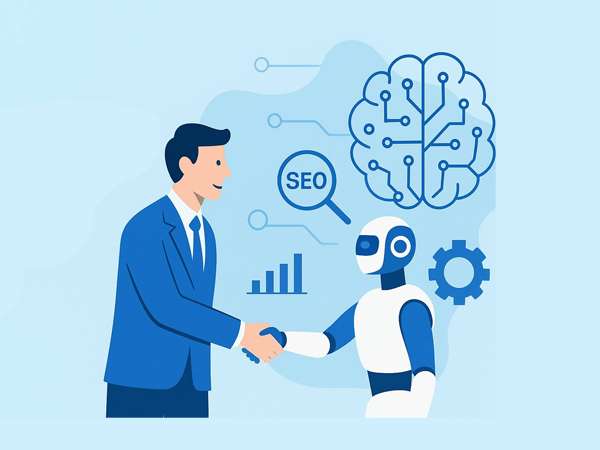
If your business is heavily dependent on your website, you are likely wondering: Is AI going to take away my traffic? What about SEO?

Have you once thought about how precisely Google could determine the information you were seeking even if your search was somewhat unclear or used non-standard words? It almost feels like the search engine is tapping into your thoughts!

The secret of getting a good position on Google does not only involve great content. You may have the best post but if it is hosted on a slow-loading server, it will not get traffic from Google searches, nor will any user wait for it to load.

Business successes rely on conversions no matter what stage of operation your company currently has. Your upgrading techniques for conversions can boost your ability to capture target clients.

Have you ever had the feeling that your website is the world's largest library hidden? Amazing content has been written, a stunning site has been designed, and you know very well that the information is needed by people. But when you do a Google search for it, it's not there. Annoying, isn't it?
Everybody is familiar with the traditional game of SEO (Search Engine Optimization). First, you do keyword research, then write a post, create some backlinks, and finally pray that Google becomes aware of your existence. It seems like a drive with a map and hoping you wouldn't get missed at any point.
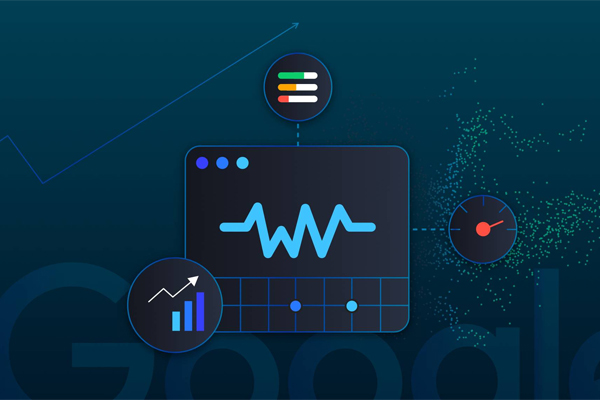
As soon as a Google user clicks to your website a clock starts to tick. If your site is slow or the text keeps moving while the user is reading or the button response at the other end is slow, then the user leaves your site. A single, irritated pressing of the "back" button means you lose traffic, interaction, and possibly even sales.

When you type a question into Google and hit Enter, you're talking to one of the world's smartest computer programs. These computer programs are called search engine algorithms, and they are the secret formula for discovering the most suitable answer out of billions of web pages.
Your email address will not be published.
Required fields are marked *
 +91-74286 23211