Looking an expert team?  +91-74286 23211
+91-74286 23211  sales@semreseller.com
  Mon-Fri 9:30 - 6:30
+91-74286 23211 sales@semreseller.com Mon-Fri 9:30 - 6:30
Mon-Fri 9:30 - 6:30
+91-74286 23211 sales@semreseller.com Mon-Fri 9:30 - 6:30 Have you ever felt like your website is a puzzle missing a few crucial pieces? Then hold on!
If you are a tech savvy website's owner looking forward to take full control on your tracking and management of data, then trust me, Google Tag Manager (GTM) is an absolute game changer to supercharge your optimization efforts! Now, I know what you might be thinking – "What in the world is a Google Tag Manager, and why do I need it?" Well, my friend, buckle up because we're about to embark on a journey through the marvelous world of GTM!
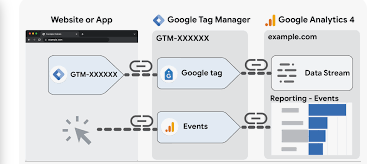
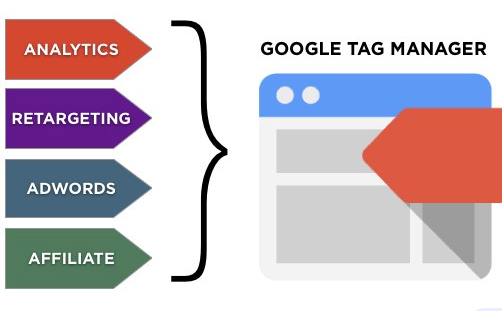
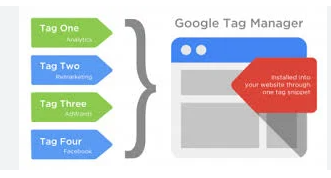
Basically, Google Tag Manager gives you the ability to add and update your own tags for conversion tracking, site analytics, remarketing, and much more. Therefore, GTM is a free tool by Google that lets you deploy and manage marketing tags (snippets of code) on your website without needing to modify the site's code directly. Think of it as a magician's wand, granting you the power to add, update, and organize various tracking codes effortlessly. So before moving further on details about GTM, you must be well aware of its parts. Actually, a typical GTM is comprised of three parts namely:
In simple terms a tag is a piece of code available on a website. The code is usually present in JavaScript but can also be in the form of a pixel or a transparent image. For example, a Tag can serve as a connecting link between third-party analytical tools like Google Analytics and marketing tools like Campaign Manager and Google Ads.
Now the real magic lies in understanding the fact about who needs Google Tag Manager and why?
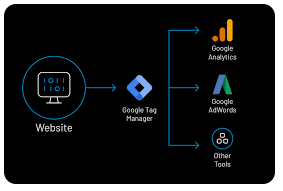
Are you obsessed with data? Well, GTM can be your best ally to go for. Whether you're a marketer, analyst, or growth hacker, GTM gives you the tools to dig deeper into your website's performance. From tracking form submissions to monitoring scroll depth, GTM provides valuable insights that fuel your data-driven decisions. In simple terms GTM is free analytical tools that you might need in several ways:
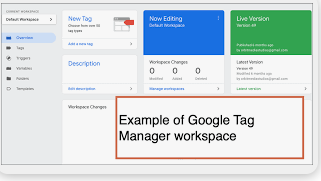
In a nutshell, Google Tag Manager is a game-changer for anyone looking to unlock the full potential of their website. Whether you're a business owner, marketer, analyst, or enthusiast, GTM empowers you to take control of your tracking efforts with ease. Here are some of its potential applications according to its usage and credibility:
Hey Folks! If yet not have your Google tag manager account, then get yours now by learning how a GTM works and dominate the digital realm in this highly competitive era.
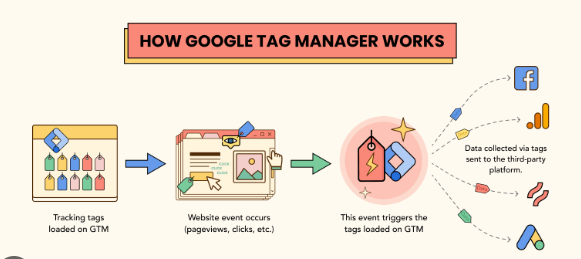
Imagine your website as a big theater stage, and GTM is like the backstage manager. It's responsible for organizing everything that happens behind the scenes.
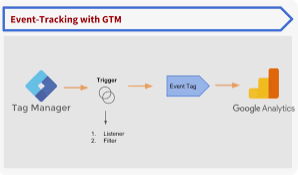
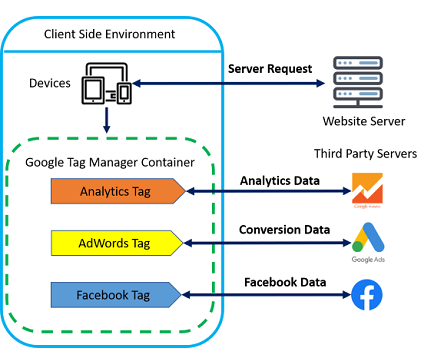
When a user interacts with the site, triggers fire, prompting GTM to execute predefined tags. These tags include analytics scripts, conversion tracking codes, and other marketing pixels. GTM captures various user actions, such as page views, clicks, form submissions, and custom events, sending this data to integrated third-party tools like Google Analytics. With its intuitive interface and rule-based triggering system, GTM simplifies the process of managing and updating tracking codes, enabling website owners to gather valuable insights seamlessly.
Well by now you must be more curious to harness the full potential of GTM to supercharge your website like never before. So, get ready to revolutionize the way to track and manage data on your website like never before by following these quick and easy steps!
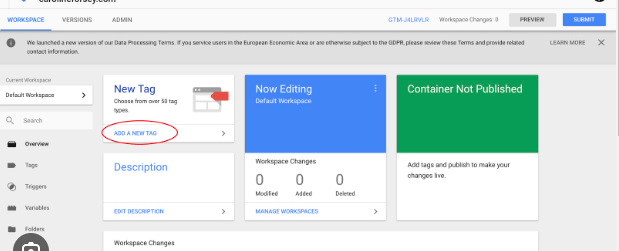
So, what are you waiting for? Dive in, experiment, and unleash the full potential of your website with GTM today!
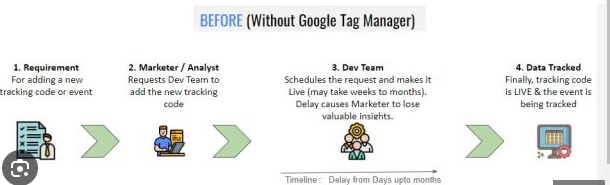
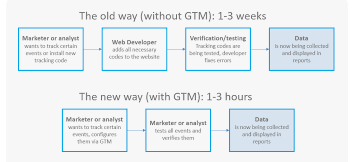
To showcase the ultimate results of using GTM as a supertool in 2024 lets delve on a case study done recently . To begin with ,let me introduce you to Dev's team with and without Google tag manager.
Now the team A who are deployed of GTM, a group of talented developers tasked with adding tracking codes for a major marketing event. Without GTM, the process is cumbersome and time-consuming. Each code needs to be manually inserted into the website's codebase, tested, and deployed. As the deadline looms closer, tensions rise, and the team finds themselves overwhelmed with the sheer volume of work.
In the meanwhile Team B, armed with the boon of GTM, the process of adding tracking codes becomes a breeze for them . Instead of manually editing code, the team simply creates new tags within the GTM interface, defining triggers and variables as needed. As a result, the team is able to deploy new tracking codes with ease, meeting deadlines and ensuring a smooth experience for all involved.
I hope that this above mentioned case study has effectively being able to give a clear picture about the benefits of Google Tag Manager for development teams. Thus we can come to the conclusion that GTM empowers teams to work more efficiently, collaborate effectively, and adapt to changing requirements with ease. In a world where timing is everything, GTM gives development teams the edge they need to succeed.
It's a well known fact by now that running a business relies heavily on visibility and analytics. With the use of Google Tag Manager, your marketing team can ensure that both these needs are met. You must learn by now that, Google Tag Manager (GTM) offers a myriad of benefits that make it an indispensable tool for website owners, marketers, and developers alike. Here are some of the major advantages:
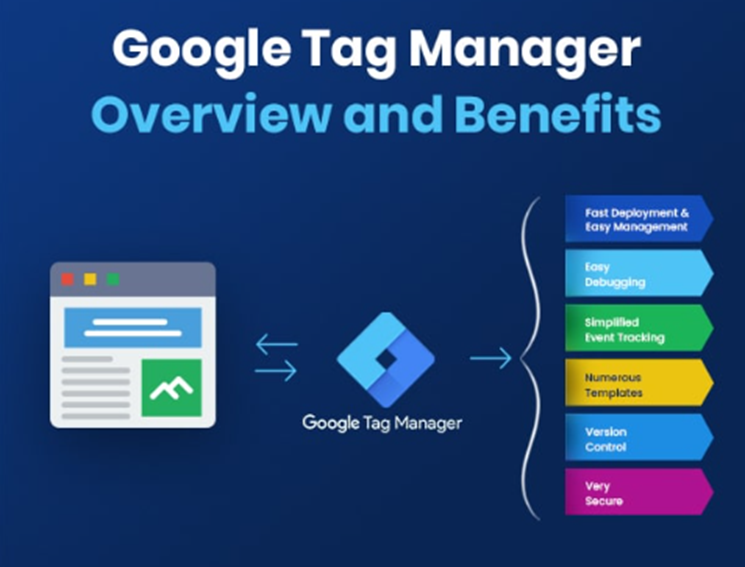

Therefore, all of these exciting features and jaw dropping benefits clearly proves the credibility of Google tag Manager as one of the best tool one can have in 2024. With multitude of benefits, including centralized management, code-free implementation, customization, advanced tracking capabilities, integration with third-party tools, and improved site performance Google tag manager is a powerful tool that is ready to help you achieve your goals.

Digital Marketing Specialist at SEMReseller

Have you once thought about how precisely Google could determine the information you were seeking even if your search was somewhat unclear or used non-standard words? It almost feels like the search engine is tapping into your thoughts!

The secret of getting a good position on Google does not only involve great content. You may have the best post but if it is hosted on a slow-loading server, it will not get traffic from Google searches, nor will any user wait for it to load.

Business successes rely on conversions no matter what stage of operation your company currently has. Your upgrading techniques for conversions can boost your ability to capture target clients.
Have you ever had the feeling that your website is the world's largest library hidden? Amazing content has been written, a stunning site has been designed, and you know very well that the information is needed by people. But when you do a Google search for it, it's not there. Annoying, isn't it?

Everybody is familiar with the traditional game of SEO (Search Engine Optimization). First, you do keyword research, then write a post, create some backlinks, and finally pray that Google becomes aware of your existence. It seems like a drive with a map and hoping you wouldn't get missed at any point.
As soon as a Google user clicks to your website a clock starts to tick. If your site is slow or the text keeps moving while the user is reading or the button response at the other end is slow, then the user leaves your site. A single, irritated pressing of the "back" button means you lose traffic, interaction, and possibly even sales.

When you type a question into Google and hit Enter, you're talking to one of the world's smartest computer programs. These computer programs are called search engine algorithms, and they are the secret formula for discovering the most suitable answer out of billions of web pages.

The "Graphic Design is My Passion" meme is a funny internet joke about bad design. It started making fun of poorly designed graphics, but over time, it expanded a lot. People use this meme to joke about cringy, messy, or strange designs. The phrase reads confidently, but when combined with a terrible design, it creates a funny comparison. The meme started on Tumblr in 2014, showing a poorly drawn green frog and ugly text. It has expanded since then, inspiring many copies on the internet.

AI presents an undeniable transformation for the future of SEO by programming routine tasks. It enables researchers to boost keyword analysis and improve content efforts and performance evaluation. Yet, people continue to be essential for interpreting user needs and producing high-quality materials.

The mark of business is always that content marketing remains an ever-changing turf. Keeping track of the trends has to be a crucial factor in ensuring that customers can learn a competitive edge over other businesses. 2026 opens up multiple years for trends emerging forth in creating a new future for content marketing worldwide. For instance, this includes AI personalisation, as well as video and interactive elements.
Your email address will not be published.
Required fields are marked *
 +91-74286 23211