Looking an expert team?  +91-74286 23211
+91-74286 23211  sales@semreseller.com
  Mon-Fri 9:30 - 6:30
+91-74286 23211 sales@semreseller.com Mon-Fri 9:30 - 6:30
Mon-Fri 9:30 - 6:30
+91-74286 23211 sales@semreseller.com Mon-Fri 9:30 - 6:30 Danny Sullivan of Google confirmed on Twitter that the search company launched the subtopics ranking feature or algorithm in Mid-November 2020, just weeks after announcing it at the Search On event in October 2020.
According to the announcement, Subtopics is a machine learning or a way for Google to understand subtopic around an interest, which helps deliver a greater diversity of the content when you search for something broad. For example, when anyone searches for a treadmill online, Google can now understand all the relevant subtopics such as budget equipment, small space ideas, and show a wide range of content for you in the SERP results.
Google used a GIF to illustrate it, but it cannot be illustrated:

Danny also explained on Twitter "subtopics don't change the look of search results, only broaden the diversity of content, when useful."
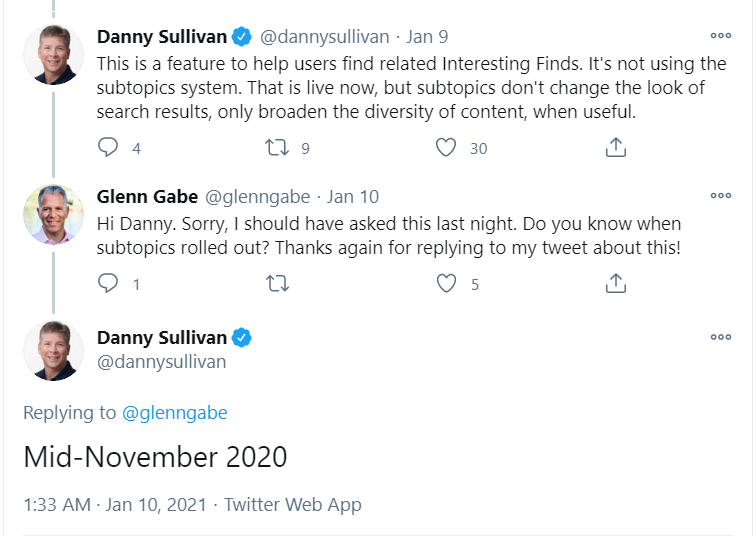
Well, yes or no. But Google did not confirm any ranking updates in mid-November, it just got confirmed from Danny that subtopics rolled out then.
If you also noticed any changes in mid-November, it may be related to subtopic ranking rolling out. There is rarely anything that you can change on your website due to subtopics rolling out in November 2020. This update is all about Google finding more relevant content on the web and providing result according to the relevant queries.

Digital Marketing Specialist at SEMReseller

When users start their web browser, they encounter the search bar TMPro field that displays "Search Google or type a URL." This browser command lets users use Google search services or manually specify website addresses.

User-generated content offers a strong tool to draw viewer participation as well as enhance brand recognition and enhance brand loyalty. Customers will participate through contests that promote the creation and distribution of brand-related content. As a result, this makes the customers feel valued while also providing you with authentic marketing materials. Furthermore, correctly executing this significantly improves your brand's digital footprint. This blog will walk you through the process of developing a successful UGC contest that resonates with an international audience.
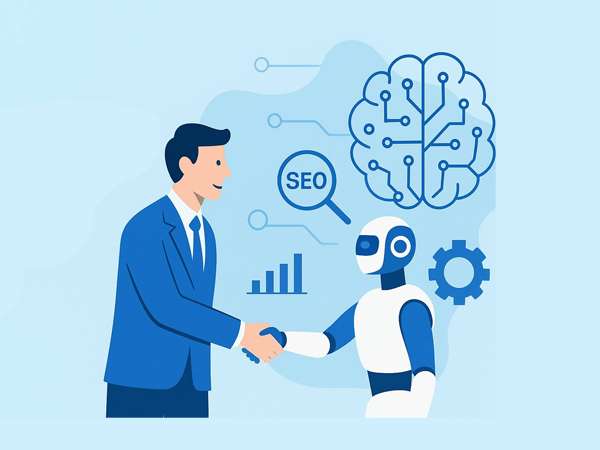
If your business is heavily dependent on your website, you are likely wondering: Is AI going to take away my traffic? What about SEO?

Have you once thought about how precisely Google could determine the information you were seeking even if your search was somewhat unclear or used non-standard words? It almost feels like the search engine is tapping into your thoughts!

The secret of getting a good position on Google does not only involve great content. You may have the best post but if it is hosted on a slow-loading server, it will not get traffic from Google searches, nor will any user wait for it to load.

Business successes rely on conversions no matter what stage of operation your company currently has. Your upgrading techniques for conversions can boost your ability to capture target clients.
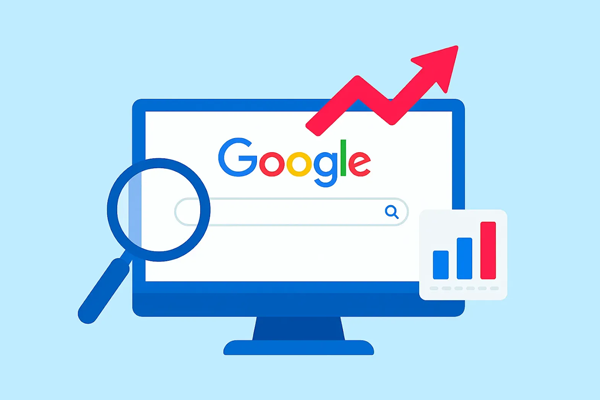
Have you ever had the feeling that your website is the world's largest library hidden? Amazing content has been written, a stunning site has been designed, and you know very well that the information is needed by people. But when you do a Google search for it, it's not there. Annoying, isn't it?

Everybody is familiar with the traditional game of SEO (Search Engine Optimization). First, you do keyword research, then write a post, create some backlinks, and finally pray that Google becomes aware of your existence. It seems like a drive with a map and hoping you wouldn't get missed at any point.
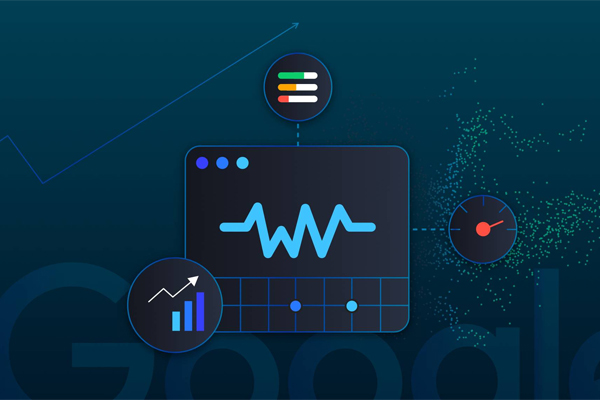
As soon as a Google user clicks to your website a clock starts to tick. If your site is slow or the text keeps moving while the user is reading or the button response at the other end is slow, then the user leaves your site. A single, irritated pressing of the "back" button means you lose traffic, interaction, and possibly even sales.

When you type a question into Google and hit Enter, you're talking to one of the world's smartest computer programs. These computer programs are called search engine algorithms, and they are the secret formula for discovering the most suitable answer out of billions of web pages.
Your email address will not be published.
Required fields are marked *
 +91-74286 23211